
Technology has transformed the way people travel, communicate, and explore the world. Today, staying connected across borders is easier than ever, thanks to digital solutions that help travelers access mobile data wherever their journeys take them.
For Telmobil and Simigo, connectivity is at the heart of the business. But the story does not have to end there. Businesses can also look beyond their core services and explore opportunities to contribute to meaningful environmental initiatives.
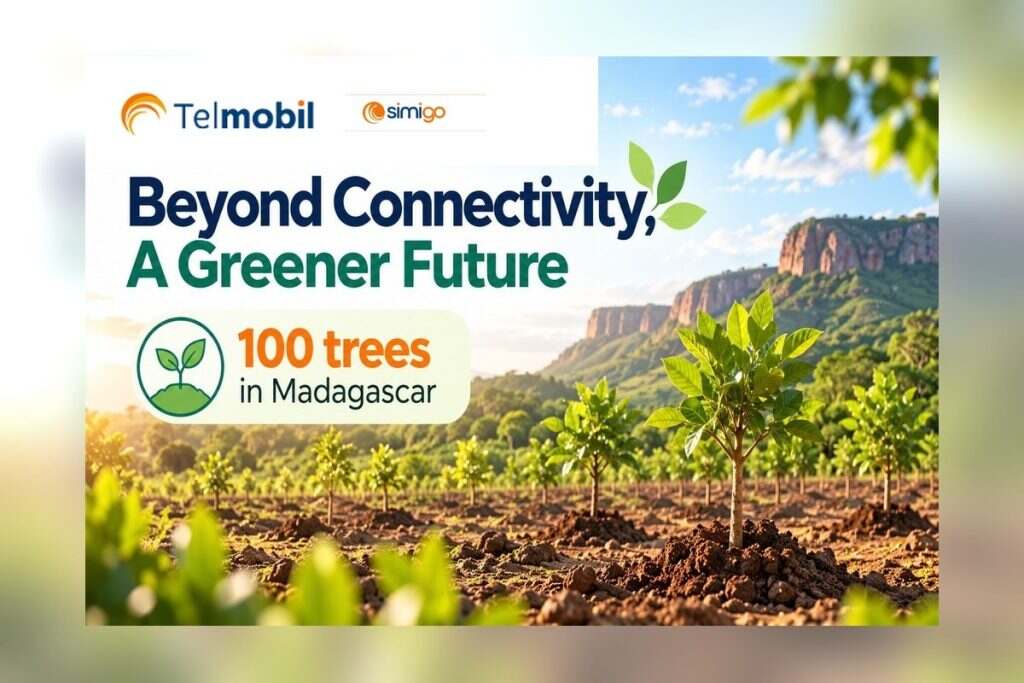
One example is Telmobil’s contribution supporting the planting of 100 trees in Madagascar, connected to a forest restoration project focused on restoring mangrove and dry deciduous forest ecosystems.
This initiative highlights an important idea: while technology helps connect people around the world, responsible business practices can also encourage greater awareness of the natural environments we all share.
Beyond Connectivity: A Broader Business Perspective
Connectivity has become an essential part of modern travel. International travelers rely on mobile data to navigate unfamiliar cities, access booking information, communicate with family, and manage their journeys with greater convenience.
Through its global eSIM solutions, Simigo helps travelers stay connected when visiting destinations around the world. The goal is to make international connectivity simpler and more accessible for people who need reliable mobile data while abroad.
However, a company’s role can extend beyond the products and services it provides.
Businesses increasingly have opportunities to consider how their activities relate to broader environmental and social priorities. These efforts do not need to replace a company’s core mission. Instead, they can complement it by demonstrating an awareness of responsibilities beyond commercial performance.
For Telmobil and Simigo, the tree-planting contribution offers a tangible example of this broader perspective.
Supporting an environmental initiative does not mean that one contribution can solve complex environmental challenges. It means recognizing that business activities and environmental responsibility can be part of the same conversation.
Supporting the Planting of 100 Trees in Madagascar
Telmobil is associated with a contribution supporting the planting of 100 trees in Madagascar. The available impact certificate connects this contribution to the Ankilahila Mangrove and Dry Deciduous Forests restoration project, led by the Accelerated Restoration Collaborative (ARC).
Madagascar is known for its distinctive natural environments and biodiversity. Forest restoration efforts are important to the protection and recovery of ecosystems, although the outcomes of any individual project depend on its methods, local conditions, and long-term management.
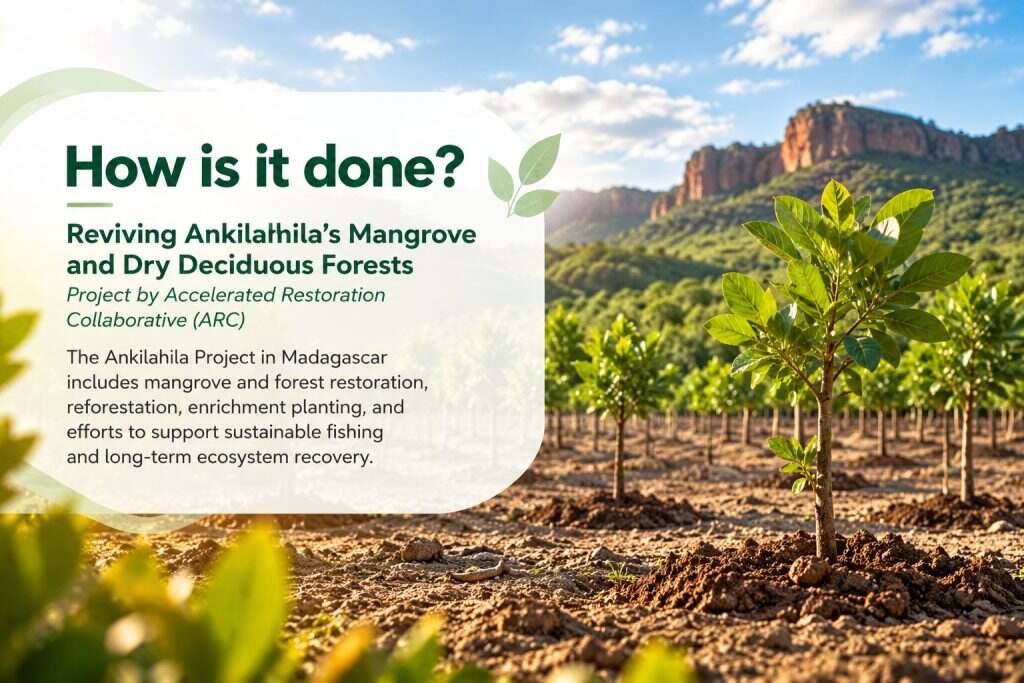
According to the project information displayed in the impact certificate, the Ankilahila Project has undertaken restoration activities involving mangroves and forests. The information also describes efforts related to sustainable fishing, reforestation, enrichment planting, and protection intended to support long-term ecosystem recovery.
Within this wider project context, the contribution supporting 100 trees represents a specific environmental initiative associated with Telmobil.
It is important to distinguish the contribution from the overall achievements of the restoration project. The broader project description provides context about the work taking place in Ankilahila, while the certificate identifies the contribution as supporting the planting of 100 trees.
This distinction allows the initiative to be communicated accurately without attributing the entire project’s environmental outcomes to a single contribution.
Why Forest Restoration Matters
Forests are important components of healthy ecosystems. Depending on their type and location, they can provide habitats for wildlife, help protect soil, support water systems, and contribute to local livelihoods.
Mangrove forests have particular ecological importance in coastal environments. They can provide habitats for marine and terrestrial species, help stabilize shorelines, and support fisheries that local communities may depend on.
Dry deciduous forests also support distinctive ecosystems adapted to seasonal changes in rainfall and vegetation.
Restoring these environments requires more than planting trees. Successful restoration may involve choosing appropriate species, preparing suitable planting sites, protecting young plants, and monitoring their survival over time.
The Ankilahila project information highlights a combination of restoration activities rather than tree planting alone. These include reforestation, enrichment planting, and protection intended to support longer-term ecosystem recovery.
For businesses supporting environmental initiatives, this wider context is useful. It shows why restoration should be understood as an ongoing process rather than a one-time action.
Telmobil’s contribution supporting the planting of 100 trees is one part of this broader environmental story.
Connecting Global Travel With Environmental Awareness
Travel allows people to discover new cultures, experience different landscapes, and develop a deeper appreciation of the world.
At the same time, tourism brings attention to the importance of protecting the destinations and natural environments that make travel meaningful.
Travelers increasingly encounter conversations about responsible tourism, conservation, waste reduction, and respect for local communities. Businesses operating within the travel ecosystem can help support these conversations by considering how their own activities relate to wider environmental priorities.
Simigo’s role in global connectivity places it within this international travel ecosystem. Its eSIM solutions help travelers access mobile data for practical needs such as navigation, communication, and travel planning.
The tree-planting contribution represents a separate but complementary dimension of the wider business story.
Connectivity helps people move through the world with greater convenience. Environmental initiatives can help draw attention to the importance of protecting the places people visit and the ecosystems that sustain local communities.
These activities serve different purposes, but together they create an opportunity to discuss business growth alongside environmental awareness.
How Simigo Fits Into This Broader Story
Simigo focuses on providing global eSIM solutions for international travelers. An eSIM allows compatible devices to connect to supported mobile networks without requiring users to insert a traditional physical SIM card for each destination.
For travelers, this can make it easier to arrange mobile connectivity before departure or while preparing for an international trip.
Access to mobile data can support everyday travel activities, including using digital maps, checking reservations, communicating with others, and accessing important travel information.
These services remain central to Simigo’s role in the travel experience.
The environmental initiative adds a broader perspective to the story of the businesses involved. It illustrates how an organization associated with the connectivity industry can also support an initiative outside its core service offering.
The contribution should not be interpreted as proof that Simigo’s eSIM technology directly reduces emissions or that the company has achieved a particular sustainability target. Rather, it provides an opportunity to communicate an environmental contribution associated with Telmobil while highlighting the wider values that can accompany business activity.
For customers and partners, clear distinctions between core services and environmental contributions help build a more transparent understanding of the company.
Small Contributions Within a Bigger Picture
Environmental restoration is complex. Protecting ecosystems requires appropriate planning, local expertise, long-term care, and collaboration among different stakeholders.
A contribution supporting the planting of 100 trees is not a complete solution to deforestation, biodiversity loss, or climate change. Nor does the number of trees alone establish the long-term environmental impact of an initiative.
Tree survival, species selection, local conditions, maintenance, and monitoring can all influence outcomes.
Nevertheless, a clearly defined contribution can be a meaningful way to participate in a broader restoration effort. It also provides a concrete example of how a business can support an initiative beyond its primary commercial activities.
For Telmobil, the Madagascar contribution provides a specific point of reference for discussing environmental responsibility. For the wider travel and technology sectors, it offers an opportunity to reflect on how business activities can coexist with support for environmental initiatives.
The key is to approach such contributions with realistic expectations and accurate communication.
Rather than relying on broad sustainability claims, businesses can explain what they supported, identify the relevant project, and provide documentation that allows interested readers to learn more.
Transparency and Accountability in Environmental Initiatives
Transparency is important whenever a business communicates an environmental contribution.
Readers should be able to understand what an initiative supports, where it takes place, and what information is available to substantiate the claim.
In this case, the impact certificate identifies the contribution as supporting the planting of 100 trees and connects it to a restoration project in Madagascar.
The certificate also provides project information describing restoration activities associated with Ankilahila. This context helps readers understand the wider environmental work linked to the contribution.
Sharing the certificate gives readers access to the available documentation rather than asking them to rely solely on a company’s description.
It is equally important to avoid drawing conclusions that the documentation does not establish. For example, a tree-planting contribution alone does not demonstrate carbon neutrality, a quantified reduction in emissions, or a specific amount of carbon captured.
Responsible environmental communication recognizes both the value of an initiative and the limits of the available evidence.
This approach supports credibility and allows environmental efforts to be discussed in a clear, factual, and constructive way.
Looking Ahead: A More Thoughtful Approach to Business
International connectivity will continue to shape how people experience travel. As travelers move between countries for holidays, business, education, and personal reasons, digital connectivity remains an important part of the journey.
Simigo’s focus is on helping travelers access global connectivity through convenient eSIM solutions.
Alongside that work, Telmobil’s contribution supporting the planting of 100 trees in Madagascar highlights an environmental initiative connected to a broader restoration effort.
The two activities should be understood in their proper context: one supports international connectivity, while the other contributes to an environmental project. Together, they provide an opportunity to tell a wider story about business activity that extends beyond a single product or service.
Looking ahead, meaningful environmental contributions can be communicated most effectively through transparency, realistic claims, and access to supporting information.
For businesses in travel and technology, this is a useful principle. Growth and innovation can remain central priorities while organizations also consider opportunities to contribute to environmental and community initiatives.
Conclusion
Beyond connectivity is an opportunity to recognize that a business can deliver valuable services while also supporting initiatives outside its core operations.
Telmobil’s contribution supporting the planting of 100 trees in Madagascar, connected to the Ankilahila Mangrove and Dry Deciduous Forests restoration project, provides a concrete example. The project information describes wider restoration activities, including reforestation, enrichment planting, and efforts intended to support long-term ecosystem recovery.
For Simigo, the wider story begins with helping travelers stay connected around the world. The environmental contribution adds another dimension to the discussion, highlighting the importance of recognizing initiatives beyond the company’s primary connectivity services.
One contribution cannot solve every environmental challenge, but it can be documented, communicated transparently, and understood as part of a wider effort.
As technology continues to bring people closer together, looking beyond connectivity offers a reminder that the world people explore is worth protecting, too.
Frequently Asked Questions
1. What is the tree-planting initiative associated with Telmobil?
The available impact certificate identifies a contribution supporting the planting of 100 trees in Madagascar. It connects the contribution to the Ankilahila Mangrove and Dry Deciduous Forests restoration project.
2. Which organization is leading the Ankilahila restoration project?
The project information displayed in the certificate identifies the Accelerated Restoration Collaborative (ARC) as the project organization.
3. What environmental activities are described for the Ankilahila Project?
The available project description mentions mangrove and forest restoration, reforestation, enrichment planting, sustainable fishing, and protection intended to support long-term ecosystem recovery.
4. How does Simigo help international travelers?
Simigo provides global eSIM solutions that help travelers access mobile connectivity in supported destinations using compatible devices. This can make it easier to use maps, communicate, and access travel information while abroad.
5. Does planting 100 trees mean that a company is carbon neutral?
No. Supporting the planting of 100 trees does not, by itself, establish carbon neutrality or prove that a company’s emissions have been offset. Those claims require separate evidence and appropriate assessment.
6. Why is environmental responsibility relevant to a connectivity company?
Connectivity companies operate within a wider global ecosystem that includes travel, businesses, and communities. Supporting an environmental initiative can demonstrate participation beyond core services, provided the contribution is described accurately and transparently.